
Businessman Build Taj Mahal Replica Home as Gift for His Wife
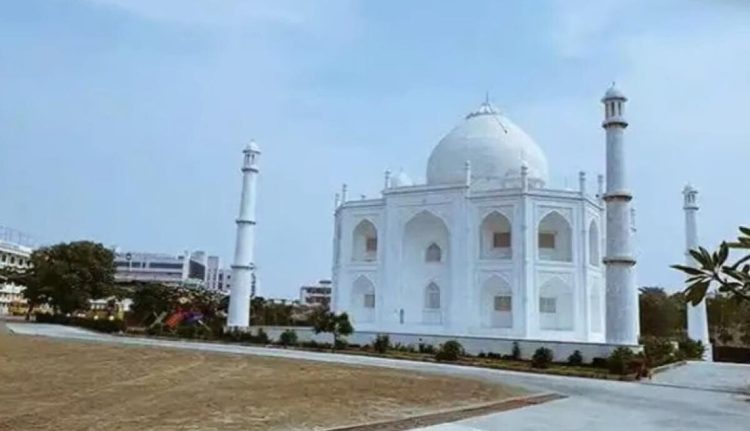
In a unique gesture of appreciation and love, an Indian man built a scaled-down replica of the iconic Taj Mahal as a “monument of love” for his wife of 27 years. The original Taj Mahal, the most famous building in all of India, was built by the Mughal emperor Shah Jahan as a mausoleum for […]
This New Restaurant in Russia Looks Like a Dilapidated Mansion
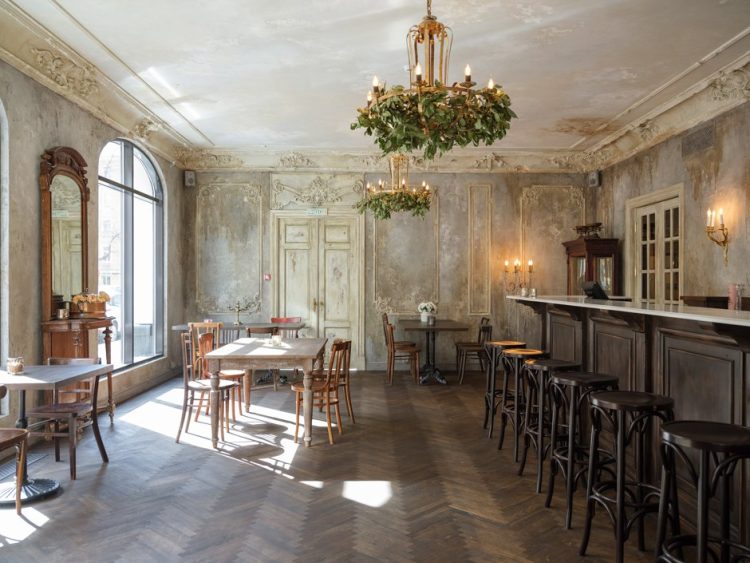
To say the “Le Courage” restaurant in Sankt Petersburg, Russia, has a vintage look would be a gross understatement. The place looks to be in a state of severe disrepair, but it’s all by design, as the place just opened a couple of years ago. Located in Sankt Petersburg’s newly-built Russian House residential complex, Le […]
The World’s Thinnest Observation Tower Has a Diameter of Under 4 Meters
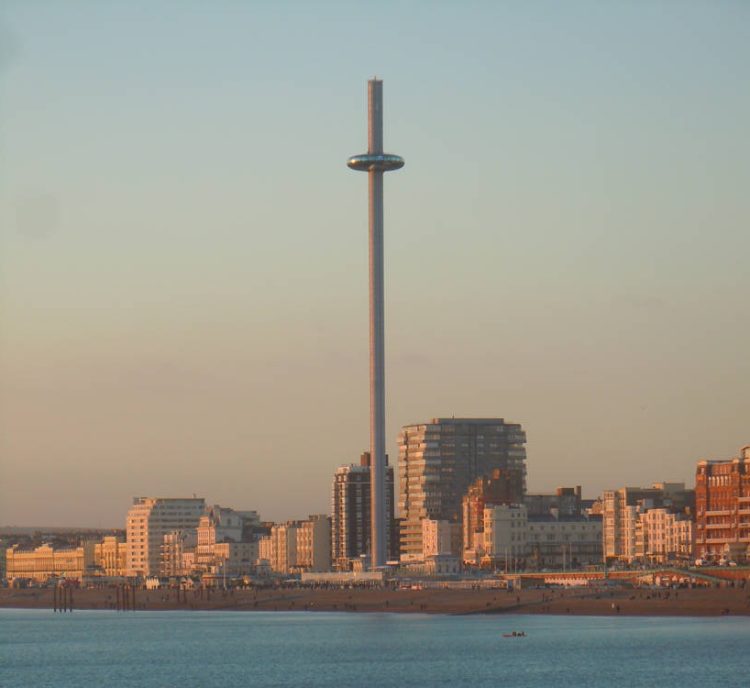
The English seaside city of Brighton is home to the world’s thinnest observation tower, a structure only 3.9 meters in diameter, with a height-to-width ratio of over 40:1. Conceived and designed by Marks Barfield Architects, the same firm behind the famous London Eye wheel, the i360 coastal observation tower in Brighton, UK looks like a […]
Farmer Spends Over $2 Million Constructing One of the Strangest Buildings in China
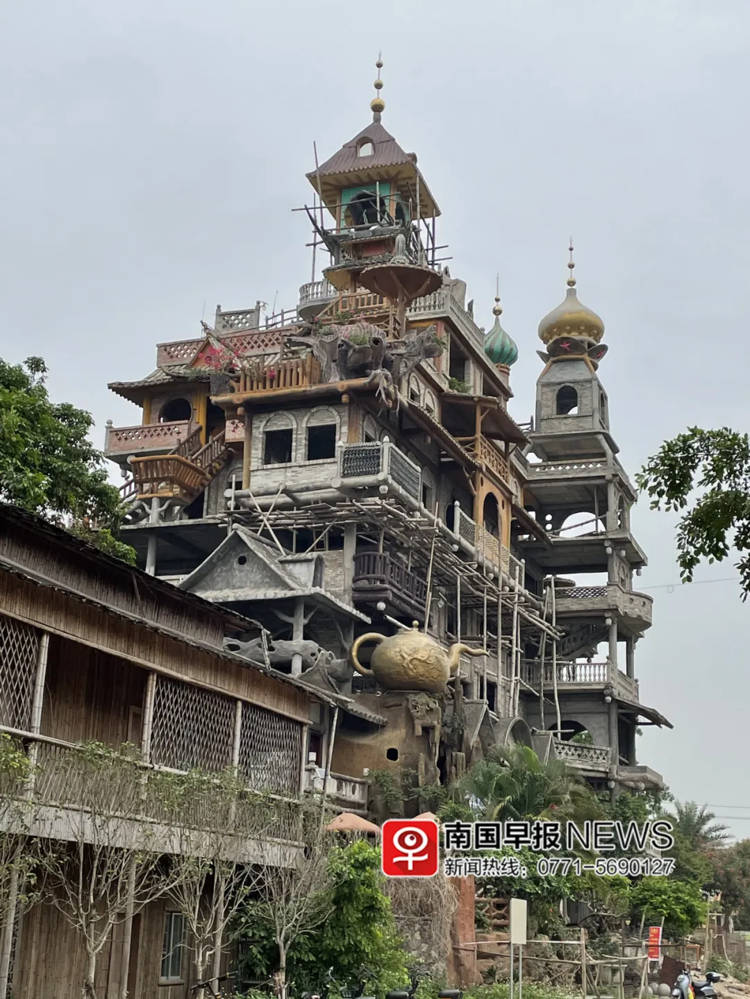
A small town in Guangxi is home to one of the strangest-looking buildings in all of China, a 10-storey behemoth combining an assortment of architectural styles from all over the world. In recent years, Xinxu Town, a small settlement close to Beiliu City, has become known for a strange edifice towering over the dozens of […]
Welcome to Yanjin, the World’s Narrowest City

Built along the Nanxi River, between the steep mountains of China’s Yunnan Province, Yanjin county is widely regarded as the world’s narrowest city. Looking at Yanjin county from above, it’s hard to believe that such a settlement actually exists in real life. The narrow stretch of usable land sandwiched between the troubled waters of the […]
Burj Al Babas – Turkey’s Famous Ghost Town of Fairytale Castles
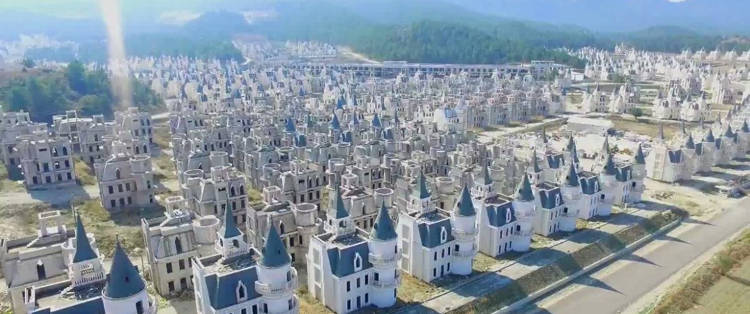
Burj Al Babas is an abandoned housing development in Turkey, which consists of hundreds of miniature Disney-like chateaus stretching out almost as far as the eye can see. It was supposed to be a bustling holiday retreat for the world’s super-rich, a neighborhood of castle-inspired villas spread around in a picturesque valley, near the the […]
Chinese Company Erects 10-Storey Apartment Building in Less Than 29 Hours
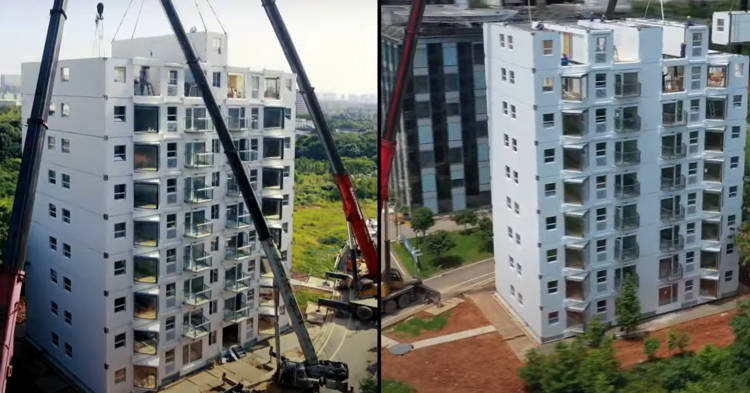
China’s Broad Group recently showcased its innovative Living Building, a new type of modular building system, by erecting a 10-storey apartment building in Changsha City in only 28 hours and 45 minutes. The Living Building concept developed by Broad Group sounds like it could truly revolutionize the construction industry, and the Chinese company’s recent feat […]
Mirrored Ceiling Makes Bookstore Look Like an Infinite Library

Dujiangyan Zhongshuge, a bookstore in Dujiangyan, China, relies on strategically placed mirrors and gleaming black tile floor to create a stunning illusion that makes the place look like an infinite bookworm’s paradise. The roughly 10,500-square-foot bookshop was designed by Li Xiang, founder of Shanghai-based architecture studio X+Living, and inaugurated in the Fall of 2020. Using […]
300-Meter Chinese Skyscraper Wobbles Ominously for No Apparent Reason
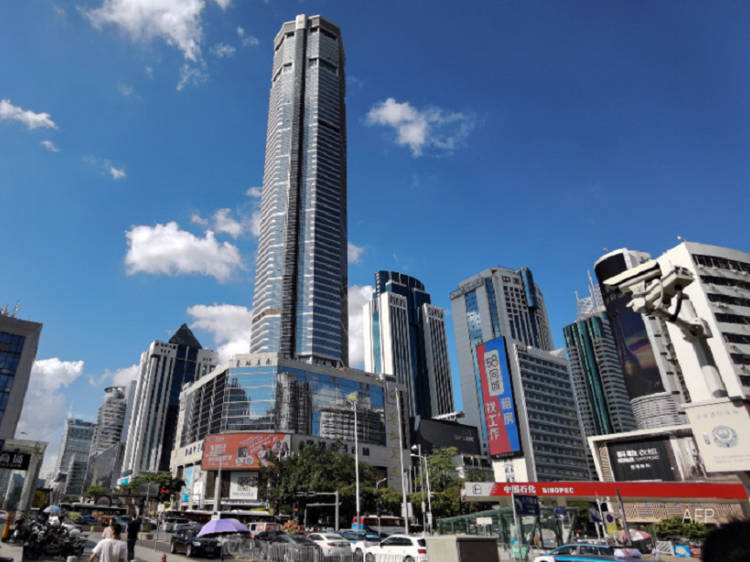
A 73-storey skyscraper in Shenzen, China, was recently evacuated after it reportedly started shaking for no apparent reason, sending inhabitants into a panic. On Tuesday afternoon, SEG Plaza, a 20-year-old skyscraper in Shenzen, started wobbling visibly, prompting both people inside and those on the streets below to flee for their lives. Videos shared on social […]
The Unique Cast Iron Church of Istanbul
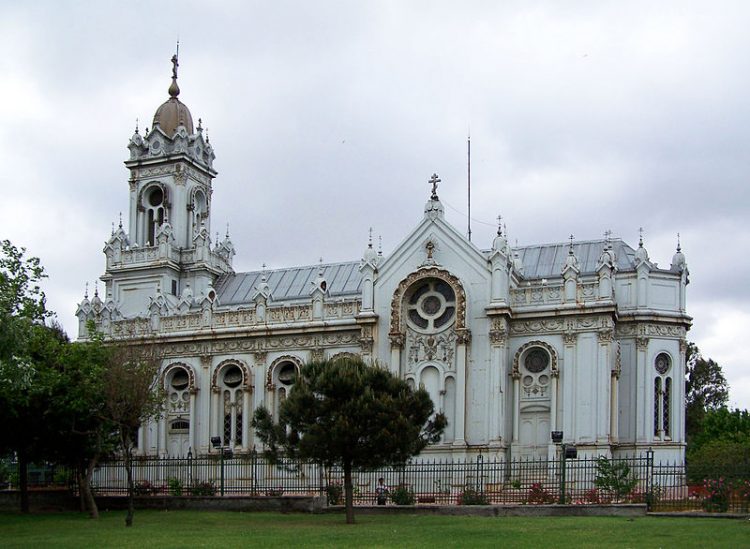
The Bulgarian St. Stephen Church in Istanbul, Turkey, has the detailed ornaments of an Orthodox stone church, but it’s actually made of prefabricated cast iron elements. Sometimes referred to as ‘The Iron Church’, St. Stephen Church is considered the largest prefabricated cast iron building in the world. It consists of thousands of prefabricated pieces of […]
Swim 115 Feet Above London in the World’s Only See-Through Sky Pool
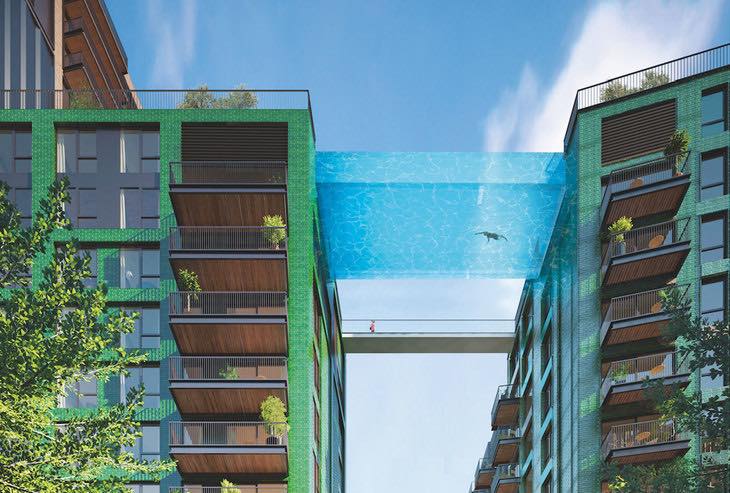
Suspended 35 meters above the ground, between two new residential buildings in London’s Nine Elms business district, the highly-anticipated Sky Pool makes you feel like you’re swimming through the sky. Measuring 25 meters in length, the transparent outdoor pool was designed by HAL Architects. It is made out of acrylic and can hold up to […]
The Line – Saudi Arabia’s Controversial 170-Km-Long Linear City of the Future
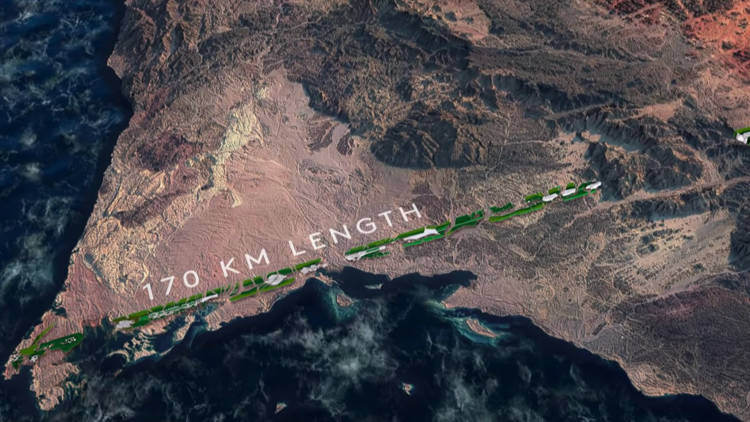
In early 2021 Saudi Arabia’s Crown Prince unveiled the concept of a futuristic urban development called The Line, which basically consists of a linear, 170-km-long city without roads of cars and built around nature. During his presentation of The Line, back in January, Prince Mohammed Bin Salman described the future smart city as a direct […]
This Quaint Vermont House Comes With Its Own Seven-Cell Jail
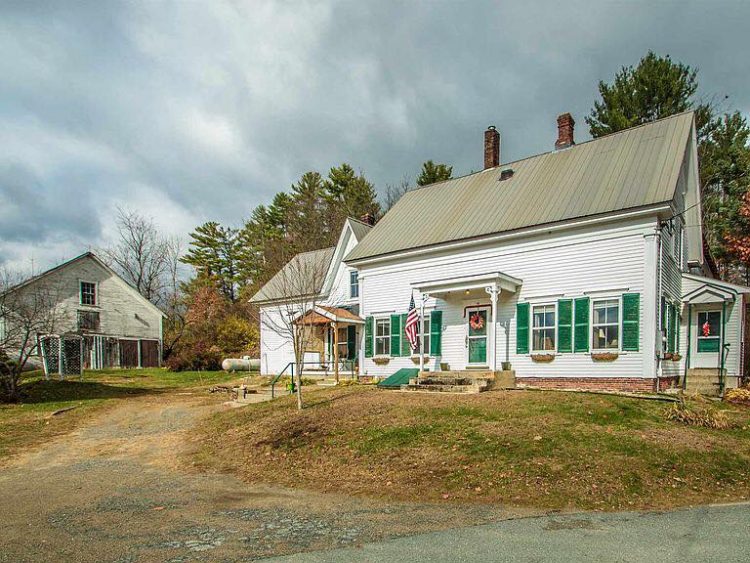
If you’re in the market for a unique kind of house, this $149,000 Vermont property may spark your interest. It doesn’t look like anything special from the outside, but it actually comes with its own creepy jail. Located in Guidhall, a small Vermont town, this 2,190-square-foot white and green home has been listed on online […]
Cousins Turn Old Water Tower They Used to Play In as Kids Into Cozy Family Home
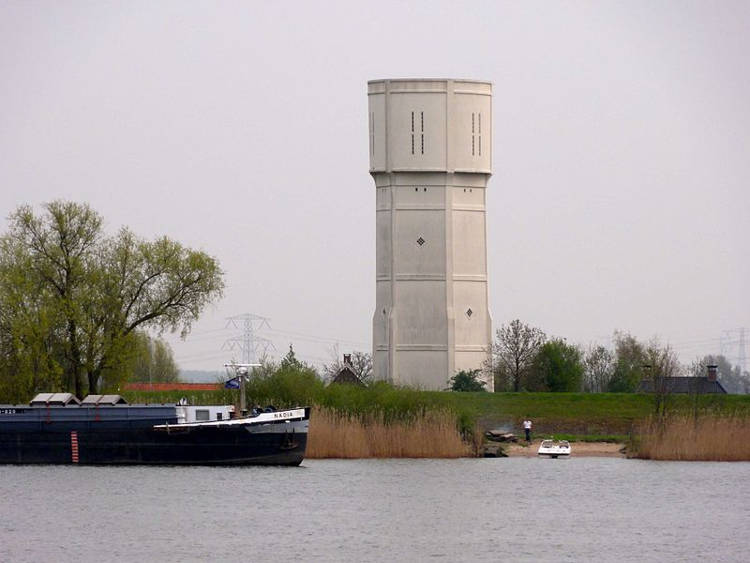
Two cousins from the Dutch town of Nieuw-Lekkerland recently received an award for turning an old water tower into a modern and stylish home for their respective families. Sven and Lennart de Jong grew up in a house right next to the old water tower of Nieuw-Lekkerland, and used to paly in it as kids, […]
Entrepreneur Builds 600-Square-Meter Floating Sea Mansion
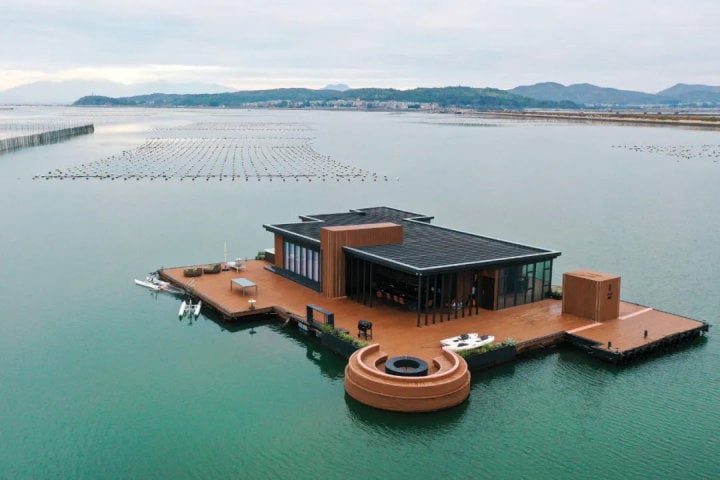
A Chinese entrepreneur spent a year and only 400,000 yuan ($61,000) building himself an awesome, 600-square-foot floating home on the coast of Fujian province. The protagonist of our story is a young entrepreneur known only by his nickname, “Coastline”, who grew up near the sea, spending most of his time fishing and taking in the […]