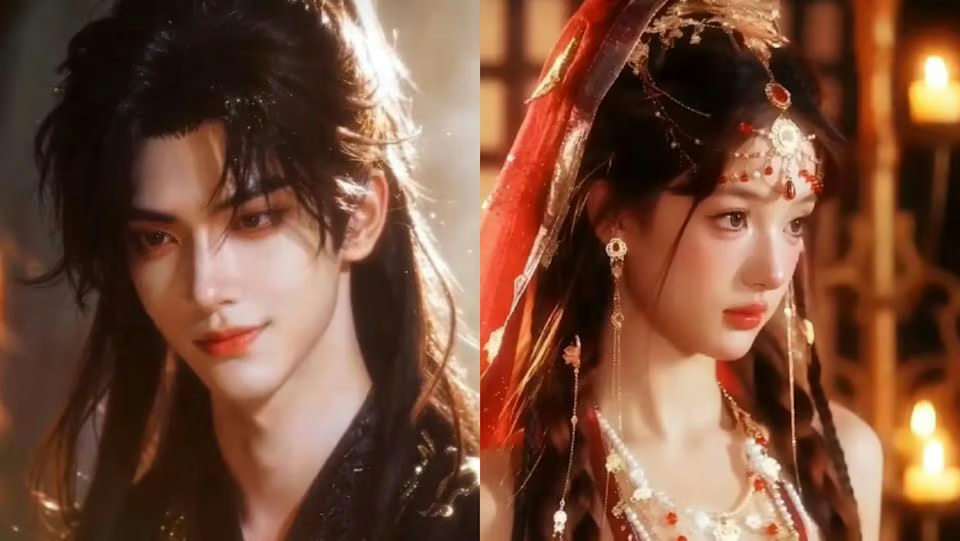
China’s short drama industry proved incredibly successful since its launch in 2018, with ultrashort, melodramatic shows designed specifically for smartphone viewing. But the advent of artificial intelligence really took the genre to new heights, allowing companies to produce content faster and cheaper than ever.
China’s state-owned television network CCTV reports that roughly 95% of the 128,000 micro-dramas launched in the first quarter of this year were AI-generated. Only a fraction of them achieved massive success, but they are so cheap to make these days that even a single hit can cover the costs of thousands of ‘duds’ and still turn a profit.
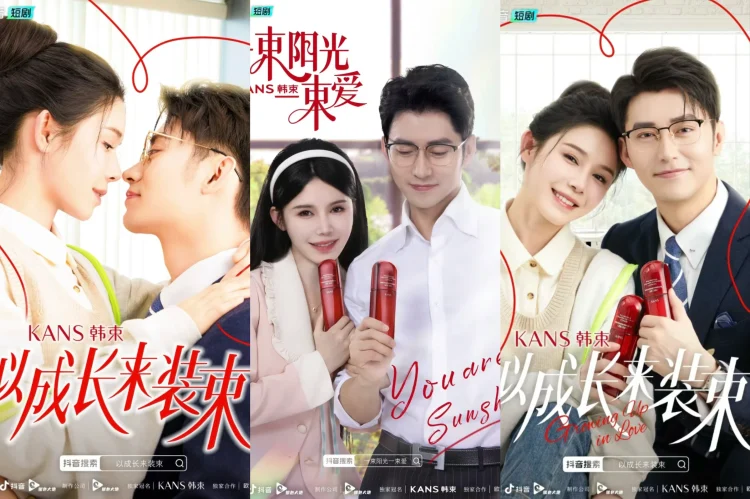
There is just one big problem with AI-generated short dramas – image rights. Following multiple high-profile cases of ‘face theft’, where AI reportedly copied the facial features of real actors without their consent, Chinese companies are now scrambling to secure the rights to real human faces to be used in AI-generated content for a given period of time.
An actress using the pseudonym Lin Min recently received a message from a short drama director offering to buy the right to use her image for a year for 500 yuan ($75). She refused, considering the offer too low, but her post went viral on social media and eventually revealed a trend. Agencies are currently paying between 500 and 1,500 yuan for the right to legally use people’s faces in AI-generated show dramas.
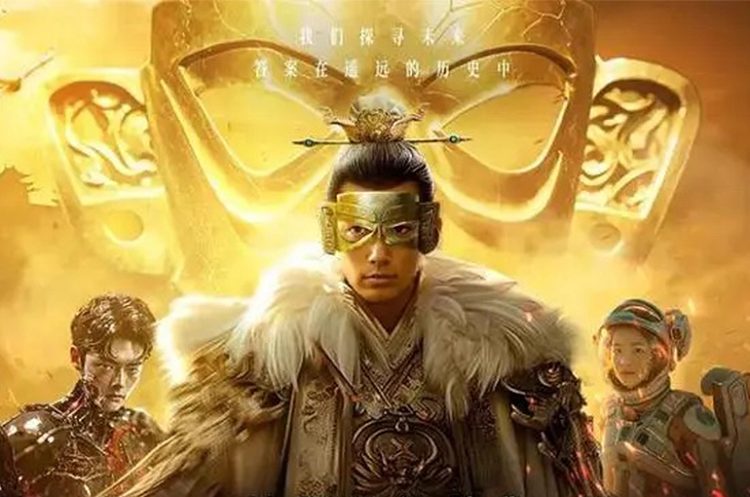
Li Xin (pseudonym), an employee of an AI short drama company in Hangzhou, told Chao News that most of those currently selling their image are students, community aunties, extras, or even mid-level actors, because “big stars would never sign an image licensing agreement.”
Film director Chen Shi explained that a short drama might only have five or six main actors, but it requires a dozen or even twenty supporting roles. Because generative AI models tend to “steal” real people’s faces, companies now prefer to secure the rights of actual individuals to avoid legal troubles.
Offers and contract conditions vary, with some companies paying higher fees for exclusive rights to people’s physical image, and others paying smaller sums but allowing collaborators to sell their faces to other short drama producers, if they so desire.
Short drama companies have also been trying to lower production costs by creating their own AI actors, which also sparked controversy in China a while back.