Apart from the threat of AI taking our jobs and one day becoming our overlord, artificial intelligence is usually seen as a positive that will help advance human civilisation. We’re already seeing massive leaps in fields like programming, scientific research and health, but AI is a tool that also works wonders in the hands of those with malicious intent. For example, in China, because of a unique return policy, online stores are currently taking massive losses due to refunds based on AI-edited photos.
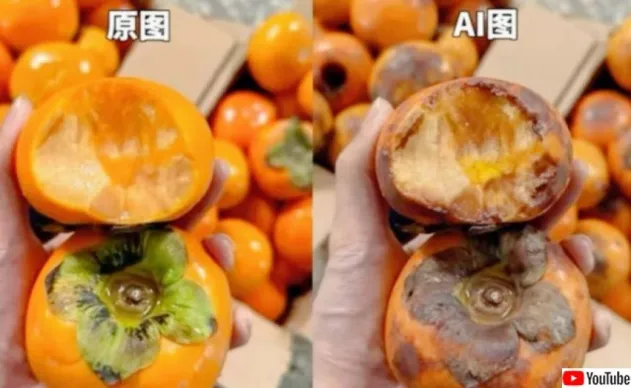
In China, you can get a refund without having to return the product itself, as long as you have photographic evidence that the product is defective or at least not up to general quality standards. This was never a foolproof system, but with the advent of AI, businesses are finding it increasingly difficult to tell what is real and what isn’t.
From mouldy fruits and vegetables to seemingly cracked porcelain and frayed clothing, refund fraudsters are reportedly making a killing online, with businesses unable to do much about it. Part of the problem is automation. Many online shopping platforms require shoppers to upload photos of their defective products, and if the algorithm finds them realistic enough, the refund is processed automatically.
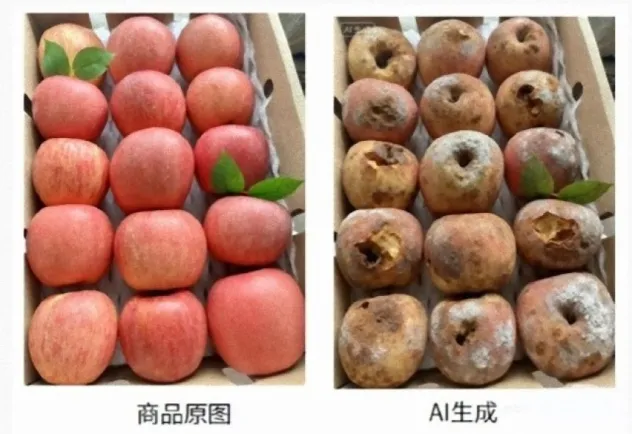
But AI has gotten so good at elegantly editing photos and videos that even the human eye cannot tell the difference between a real image and a fake one. Mr. Chen, who runs a fruit and vegetable store in Jiaxing, says that in the last three months, his store has had nine returns. At first, he trusted the buyers and offered refunds, but when the returns became too frequent, he became suspicious. He found signs of digital editing, but the platform he was selling on told him that it wasn’t clear enough evidence that the photo had been AI-doctored.
Some online shopping sites have introduced tools to determine whether product images are AI-generated, and display warning messages under suspicious images, but they say they cannot guarantee the accuracy of these tools.
In September, Chinese authorities also enacted the “Interim Measures for the Management of AI-Generated and Synthetic Content”, which requires AI-generated images and videos to be labelled with both visible labels, such as watermarks, and labels embedded within the data. Although removing these labels is prohibited, it is difficult to detect in practice, so the threat of fraud remains.