
Taiwanese media recently reported the bizarre case of a scorned man who, after catching his wife cheating with another man, used the footage to sue them both for compensation. Unfortunately, that same footage was then used against him in a counter-lawsuit for recording people without their consent.
The unnamed man and his wife married in 2021 and moved in with his parents. They also owned a vacation home that they only visited during the holidays. In 2023, during one such visit, the man found a strange toothbrush, which raised suspicions about his wife’s fidelity. After checking the surveillance footage from the parking garage, he noticed a man who had previously driven his wife home from work.
When confronted, the man’s wife denied any wrongdoing, and he believed her. However, three months later, he accidentally discovered that she had indeed been having an affair. He had remotely activated the home’s robot vacuum cleaner via its mobile application to surprise his wife by talking to her through it, but he ended up catching her with her lover.
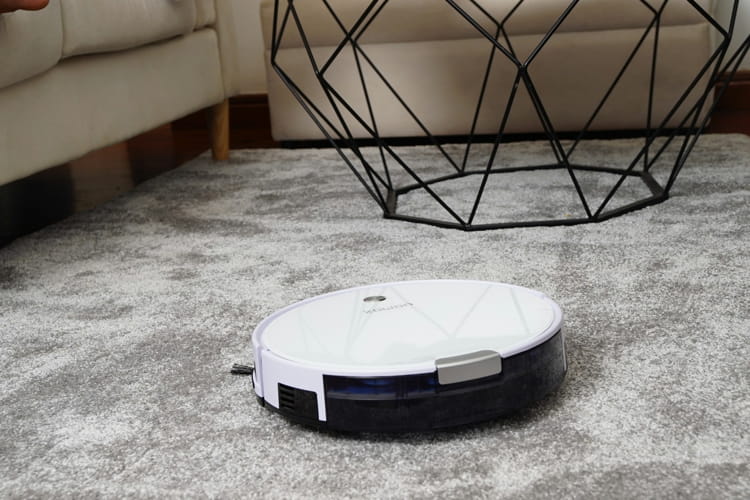
Upon activating the vacuum cleaner’s camera, the husband saw his wife in bed with the man he had seen on the surveillance camera. His instinct was to confront them immediately, but he kept his cool and decided to continue recording them as evidence in a subsequent lawsuit. The footage showed his wife embracing her lawyer and walking around the house naked while the man sat on the sofa.
Armed with video evidence, the scorned husband took his wife and her lover to court, demanding NT$2 million ($68,000) as compensation. The judges ruled that the man’s extramarital relationship surpassed the boundaries of friendship and ordered them to pay the cheated husband NT$500,000. Unfortunately, his success was shaded by a counter-lawsuit filed by his wife.
The video evidence captured with the robot vacuum cleaner may have helped the man prove his wife’s unfaithfulness, but it also proved that he had recorded the two lovers without their consent. He claimed that his actions were justified, but the court ruled that marital obligations do not supersede a person’s right to privacy, and he had no right to record his wife and her lover without their consent.

Under Taiwanese law, recording or disclosing another person’s private activities or information without informing them carried a sentence of up to three years in prison and a fine of up to 300,000 Taiwanese Dollars. In this particular case, the husband was sentenced to five months in jail and ordered to pay a fine of NT$150,000.