‘Allograft adipose matrix’ injections have been available for over a decade. The treatment was developed by the tissue bank MTF Biologics and later commercialized under the Renuva brand. It could be used to plump cheeks, fix cellulite dimples, and other physical imperfections, and had the added benefit of being instantly accepted by the recipient’s body, eliminating the risk of rejection.
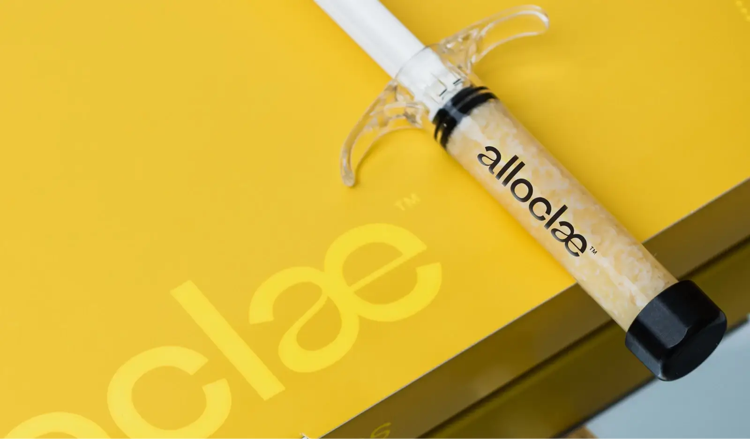
Today, a product similar to Renuva is causing a stir in the US cosmetic treatment industry. AlloClae, a product developed by Tiger Aesthetics, consists of donor fat that undergoes a sterilization and purification process to remove live cells, DNA, and other components that could cause rejection. What is injected is the extracellular matrix of adipose tissue, a structure rich in collagen and proteins that serves as a support for the recipient’s body to generate new tissue.
AlloClae has also been around for a few years, but its popularity among those who can afford it has skyrocketed with the advent of GLP-1 drugs like Ozempic and Monjaro. While those treatments have proven really effective in helping people lose weight, they’ve also left some of them with imperfect-looking breasts, hips, or buttocks and not enough adipose tissue to inject in these problematic areas.
“People who are on Ozempic or are dieting heavily are really thin, and don’t have enough fat to transfer,” Dr Melissa Doft, a plastic surgeon based in New York, told The Guardian. “They want their legs and their belly to be skinny, but want their breasts to be fuller.”
“Many of the patients who come in for breast augmentation and mini BBL (Brazilian Butt Lift) with AlloClae are people who have lost a lot of fat volume, perhaps in places where they didn’t want to lose it, due to the use of Ozempic and related medications,” plastic surgeon Darren Smith told the New York Post recently.
Physical imperfections can be fixed with conventional hyaluronic acid fillers, but those can cause problems such as puffiness and lymphatic issues, so for the people who can afford them, treatments like AlloClae and Renuva are a much better option. There is just one minor issue – the source of the fat.
These treatments we nicknamed cadaver fat injections for obvious reasons – the processed fat comes from deceased organ donors and is perfectly legal to use in the United States. But as shocking as that may sound to a lot of people, it really is a minor issue for wealthy individuals looking to enhance their physical appearance.
“I thought everyone was going to get creeped out by it, but less people than you’d think even care,” Dr Haideh Hirmand, a plastic surgeon based in New York, confirmed, adding that most people only care about the convenience of the treatment, which is quite remarkable. These injections require virtually no anesthesia or recovery period.
The ethical implications of using the fat of organ donors for commercial cosmetic treatments have been the topic of many debates, but so far, they have done nothing to curb their popularity. Despite costing between $5,000 and $45,000 (by some accounts, even $100,000), treatments like AlloClae are more popular than ever!