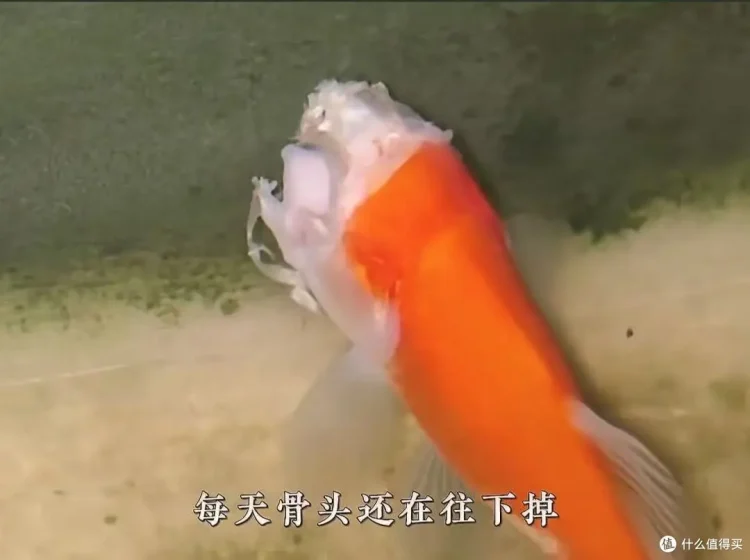
With AI able to produce all sorts of crazy videos these days, it’s not hard to understand why most people would label a clip of a goldfish swimming around without a head as fake. But as crazy as that premise sounds, the video is not only real, but backed by science and anatomy.
In late January, a goldfish owner in China uploaded a video of one of his fish swimming in a tank with a big hole where its head should have been. They mentioned that the fish had been in that terrible condition for days but continued to swim without a care in the world, despite losing its eyes, mouth, and part of its brain.
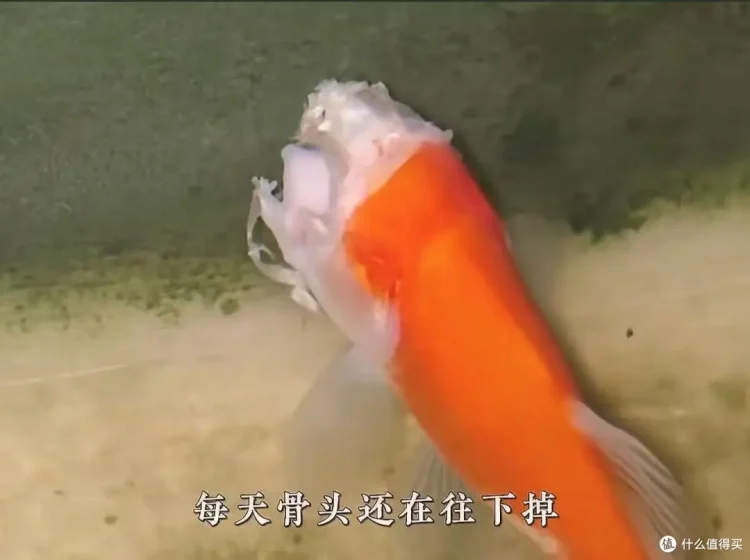
Asked how the goldfish had wound up in that condition, the owner wrote that the tissue on its head had become necrotic, most likely due to an infection or the poor quality of the water. As pieces of tissue began to die, the other fish started pecking on the sick one, exposing more tissue and causing it to die, resulting in a vicious cycle that eventually rendered the poor animal headless.
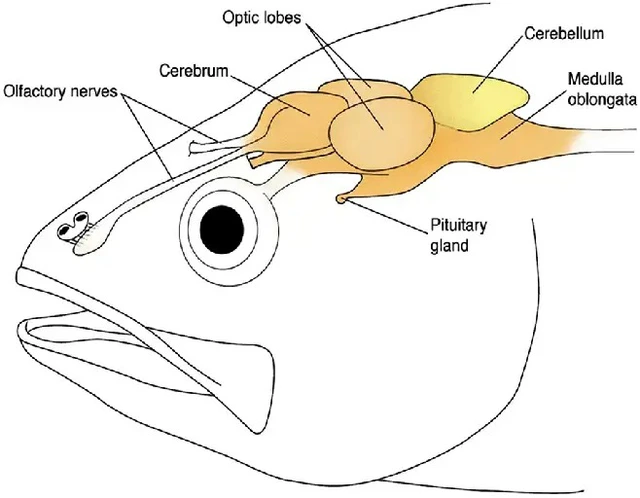
So how did the goldfish survive without most of its head, let alone continue to swim in the tank? Well, apparently, it has a lot to do with the anatomical structure of the fish. Unlike humans and most other mammals, which have the brain in the shape of a concentrated mass, the goldfish brain has a more linear structure, extending from the head well into its body.
The front part of a fish’s brain handles higher-level functions like smell, memory, and visual processing, while the brainstem, the most crucial part for sustaining life, is located in the body, near the connection to the spinal cord. As long as the brainstem remains intact, the fish can continue to breathe through its gills and maintain blood circulation.
Survival is one thing, but the fish in the video is swimming normally and appears to avoid collision with the fish tank walls. Apparently, swimming doesn’t require constant commands from the brain; instead, it’s generated by automated neural networks in the spinal cord, so this ability is not affected by the loss of the head.
Fish also have a network of pressure sensors along both sides of their bodies, which act as a biological sonar, allowing them to avoid obstacles in their way even without eyes.
According to the owner, the headless fish survived for about two weeks before succumbing to its horrific injuries, although technically, it died of organ failure caused by the freshwater in the tank. Freshwater fish constantly face osmotic pressure because the salt concentration inside their bodies is higher than the water in their environment. Normally, skin and scales help limit water ingress, while their kidneys eliminate excess water. However, with a large wound on its head, freshwater continuously flooded into the bloodstream, diluting fluids and disrupting electrolyte balance. Eventually, the fish died from a severe electrolyte imbalance.
Chinese news outlets covering this unusual story described it as a clear demonstration of the resilience of basic survival mechanisms in fish.