Something strange happened in Wuhan on the night of March 31st. Over 100 self-driving robotaxis suddenly stopped working, leaving some passengers locked inside for up to 90 minutes. Some people simply couldn’t open the car doors, while others were too scared to get out because they were in the middle of heavy traffic.
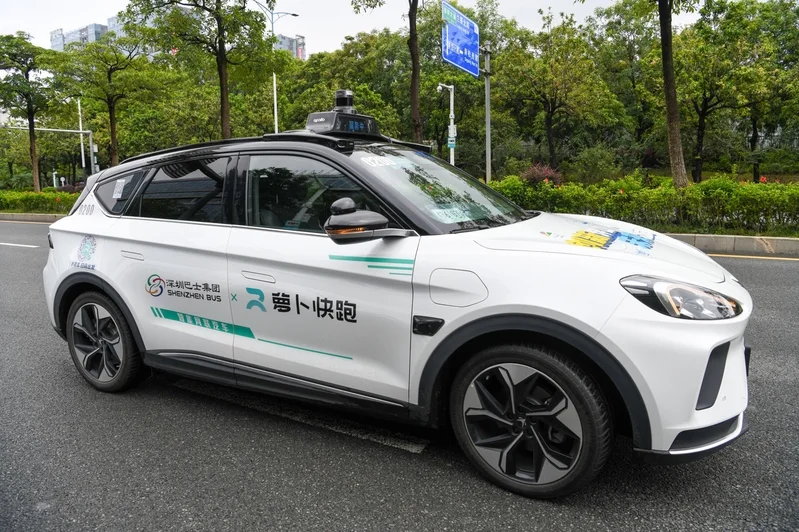
According to the Wuhan Municipal Public Security Bureau’s Traffic Management Bureau, starting at 8:57 pm, reports started coming in regarding robotaxis operating in the city that had suddenly stopped working. It was later revealed that over 100 robotaxis had malfunctioned simultaneously, all belonging to the same company, “Apollo Go (蘿蔔快跑),” an autonomous ride-hailing service run by the Chinese IT company Baidu.
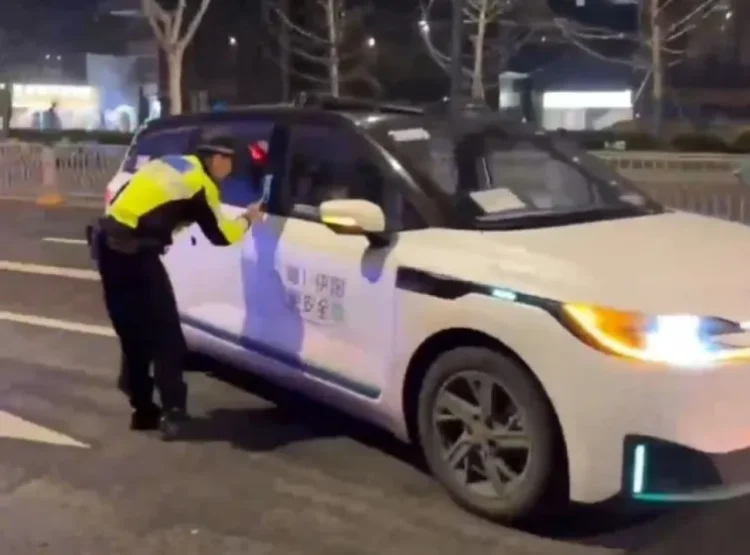
One passenger said they were trapped in a taxi for about an hour and a half and posted about the ordeal on social media.
“I called the robotaxi customer service, but couldn’t get through at all at first,” the woman said. “I called again and again, but every person I spoke to just said they had dispatched a specialist. After 10:30 PM, my rescue request was cancelled, and I was left stranded on an overpass, surrounded by dump trucks.”
The frightened passenger was eventually rescued, but they criticised Apollo Go’s customer service, claiming they offered only useless responses instead of real emergency procedures.
Videos circulating on social media showed robotaxis stopped in the middle of various streets around Wuhan, with their signal lights blinking. Although some were involved in light collisions with other vehicles, no passenger injuries were reported.
As for what caused this bizarre simultaneous malfunction, Apollo Go described it as “possibly a system failure,” but no further explanation regarding the details of the incident was provided.
“Preliminary findings from the investigation suggest that a system failure was the cause of the disruption,” a press release reads.
Apparently, Apollo Go’s robotaxis are controlled by a centralised management system, in addition to the onboard systems of each vehicle. That means that, if any kind of malfunction occurs in the centralised management system, it will affect not just one vehicle, but multiple vehicles that are in operation simultaneously.
Although the mysterious malfunction fortunately caused no injuries or serious accidents, it did raise some serious questions regarding the safety of unmanned robotaxis. An investigation in this case is still ongoing, but it’s unlikely that Baidu will release too many details to the public.