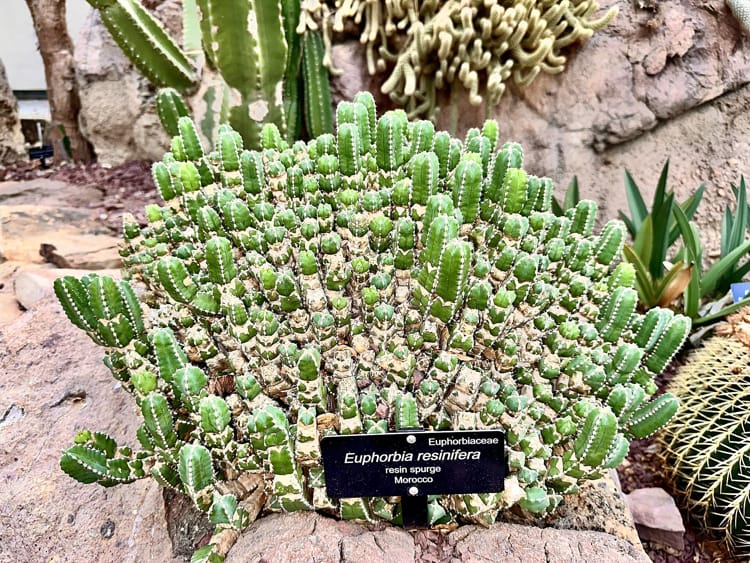
Capsaicin, the natural, pain-inducing chemical found in chilli peppers, is well-known for its spiciness, but it might as well be water or milk compared to the spiciest natural compound known to man. Resiniferatoxin is a capsaicin analogue found in resin spurge (Euphorbia resinifera), a cactus-like plant commonly found in Morocco, and in Euphorbia poissonii found in Nigeria.
Pepper X, the world’s hottest chilli pepper according to Guinness World Records, has a score of 2.69 million units on the Scoville Scale. Most people can’t handle that level of spiciness, but it pales in comparison to pure capsaicin, the substance that gives chillies their spiciness. It is rated at 16 million Scoville units. It’s a powerful irritant and can cause extreme pain and even death when consumed in high-enough quantities. But even capsaicin doesn’t come close to the spiciness of resiniferatoxin.
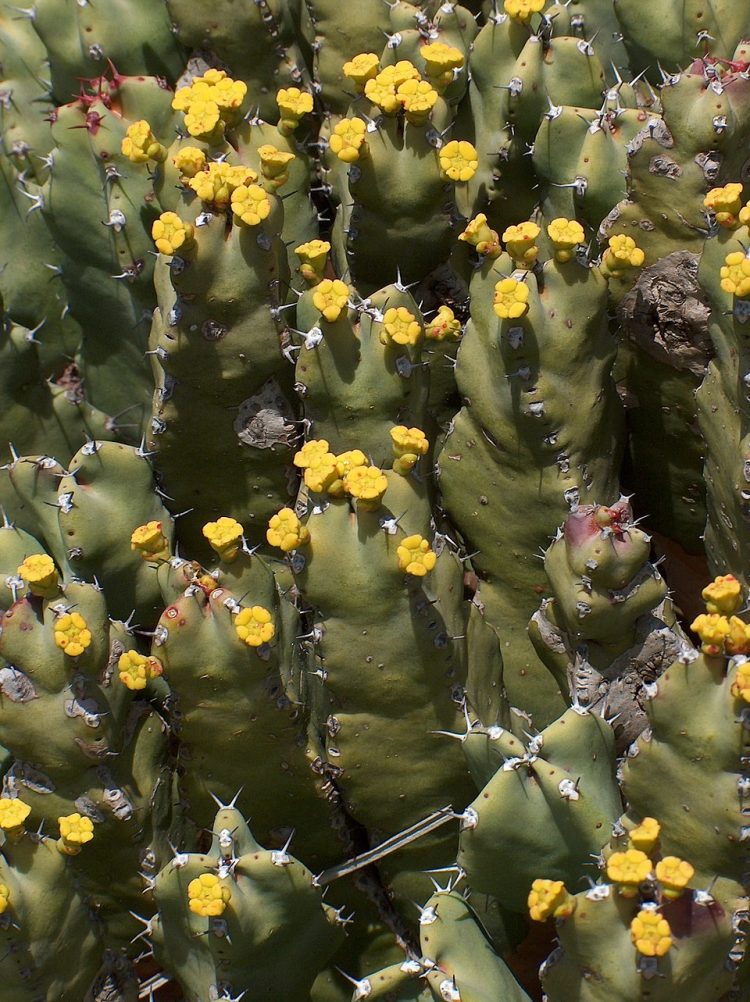
Photo: Valerie & Agnes/ Wikimedia Commons
It’s hard to imagine just how hot resiniferatoxin feels. It is rated at 16 billion Scoville units, making it 1,000 times more potent than capsaicin and virtually unbearable to mammals, even in minuscule quantities. It’s the most potent natural pain-inducing compound known to man, and is more of a chemical weapon than a spicy substance to be ingested. Resiniferatoxin is capable of producing pain beyond any culinary experience, and any contact can cause severe chemical burns and even destruction of pain-sensing nerve endings. You might be wondering why we’re even comparing it to capsaicin, the spicy substance in chilli peppers, and the answer is that it activates the same TRPV1 receptor in the human body.
But whereas capsaicin stimulates the TRPV1 receptor for a short time, resiniferatoxin binds to this receptor with much greater intensity, causing calcium ions to flood into nerve cells in large quantities, leading to an overload that literally kills nerve endings, leading to permanent desensitisation.
It is believed that the Euphorbia resinifera plant develops this compound as a survival strategy to deter herbivores from approaching. It’s very effective, as even minor contact can cause severe chemical burns.
So the next time you enjoy a spicy chilli pepper or some hot sauce, know that it’s not even close to the world’s spiciest plant.
Featured image: Kplans/Wikimedia Commons