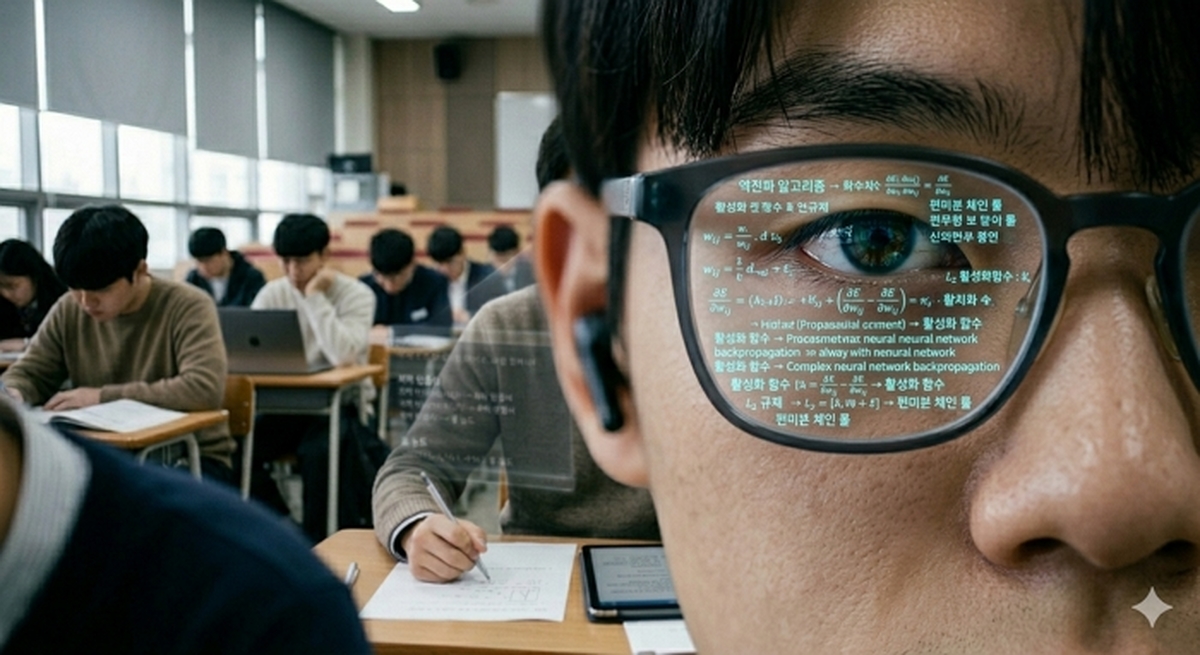
Smart glasses have been around for a while now, and though still far from a popular gadget, AI-powered versions have seen increasing adoption by young students in China who use them to boost their chances of acing exams.
A recent report by Rest of the World revealed that AI smart glasses with integrated large language models are all the rage among Chinese students looking to cheat their way through difficult exams. Equipped with cameras and audio features, powered by large language models, these glasses can scan texts and exam questions and provide answers in augmented reality, without anyone noticing.
Early versions of smart glasses looked bulky and cumbersome to wear, but modern eyewear from companies like Xiaomi and Alibaba has slick designs that are very hard to distinguish from conventional eyeglasses. Although AI smart glasses were banned from national college entrance exams and civil service exams, they are still being used during regular school exams, with surprising results.
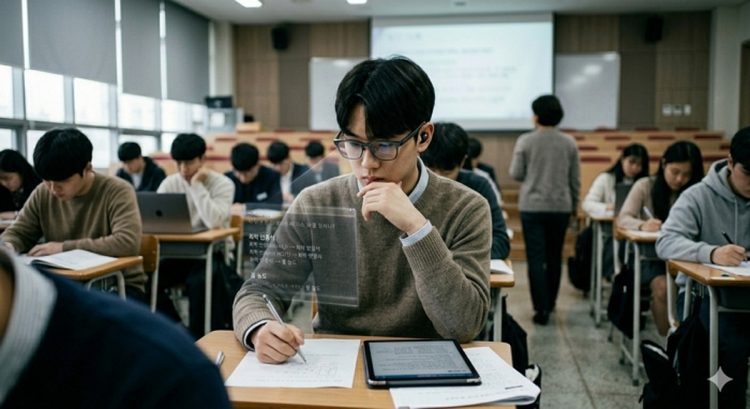
In an experiment conducted by researchers at the Hong Kong University of Science and Technology, a student wearing smart glasses equipped with an AI model like ChatGPT 5.2 placed among the top five out of 100 students, with an average score of 92.5 out of 100. The average score among all students was 72.
With prices ranging from from $270 to more than $1,000, AI smart glasses are not worth the investment for students seeking to use them exclusively on exams. But that’s where secondhand marketplace platforms like Xianyu come into play, offering dozens of rental options, with prices ranging from 40 yuan to 80 yuan ($6 to $12) a day, depending on the model.
Vivian, a university student in Hebei province, told Rest of the World that she uses her AI smart glasses to cheat on any subject she thinks she might fail, and also rents them out to other students in need. Using a small remote that looks like a ring, wearers can scan texts and questions and then feed them to AI models that display the answers on the lens, without anyone else noticing.