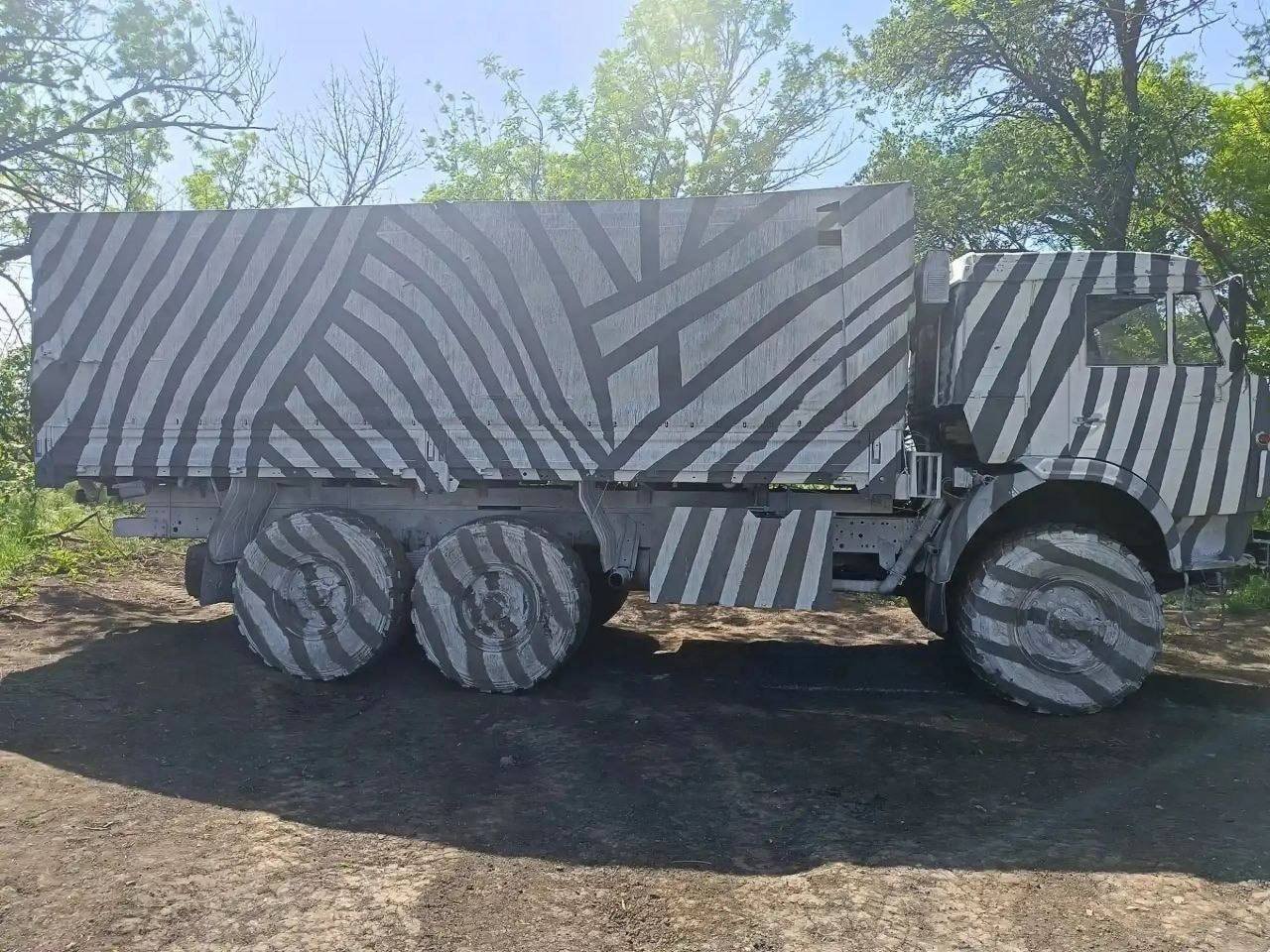
At a time when Ukraine’s military efforts are concentrated mainly on advanced attack drones and robots, Russia is reportedly fighting back with a type of camouflage first used in World War I by British troops. Known as ‘Dazzle’, this type of camouflage is characterized by contrasting black and white shapes designed not to make the target invisible, but to throw off the AI-powered drones designed to destroy them.
Photos of Russian Kamaz and Ural trucks painted in chaotic black and white patterns have been doing the rounds online, leaving many wondering what the point of the camouflage really is. It is certainly not meant to make the painted vehicles less visible to the human eye, but then again, they are not targeting human eyes, but robotic ones.
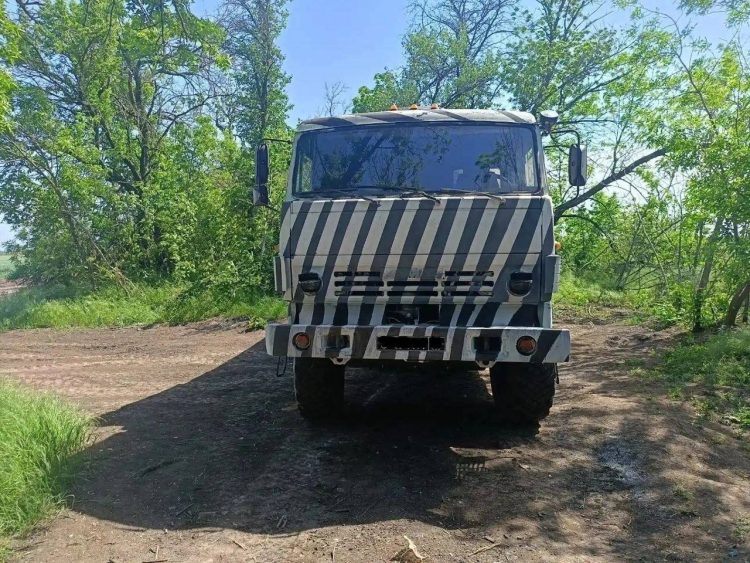
According to military experts, this type of camouflage was developed in 1917 by the official naval artist Norman Wilkinson to reduce the effectiveness of attacks by German submarines. It became known as ‘Dazzle’, and as the name suggests, it wasn’t meant to conceal, but to trick enemies. The contrasting geometric patterns of large blocks of color made it difficult for submarine crew members using a periscope to determine a target’s course, speed, and type.
More than a century has passed since Dazzle camouflage was developed, but Russia appears to think that it is still an effective defensive strategy. Time will tell, but the Ukrainian military is confident that the new zebra pattern will not work as Russia intends.
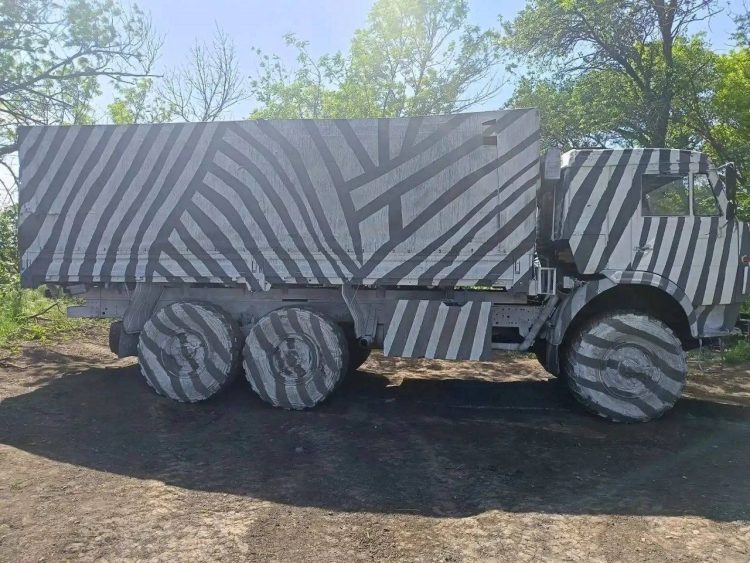
Major Mykola Kolesnyk, commander of the 422nd Separate Unmanned Systems Regiment “Luftwaffe” of Ukraine’s 17th Army Corps, told Army 3 Magazine that the Ukrainian military will continue to bombard Russia’s vehicles regardless of how they are painted.
“We will hit these zebras, ostriches, rhinos, whatever they paint themselves as,” Kolesnyk said. “I responsibly state that this will not prevent us in any way from burning this equipment if it is painted like that.”
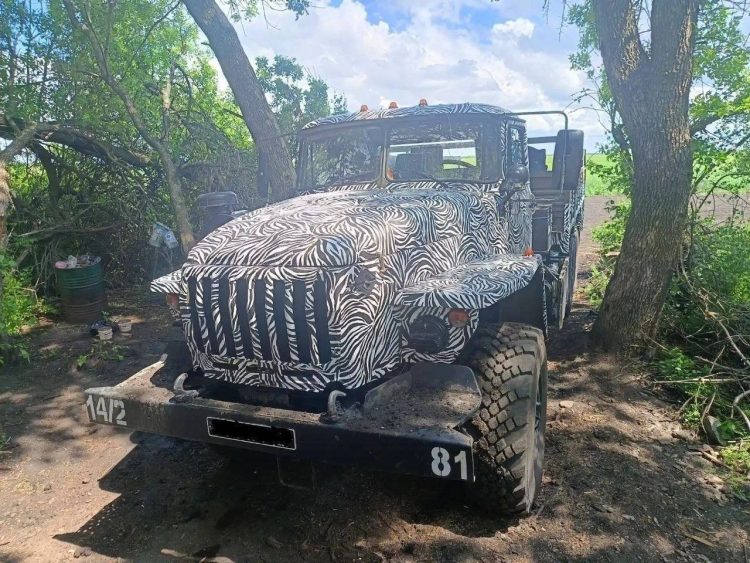
However, not everyone agrees that Russia’s version of Dazzle is such a bad idea. Todd E. Humphries, an expert in aerospace and artificial intelligence, said that Dazzle could very well be successful, especially against AI-powered drones. But it is only a matter of time until Ukraine’s neural networks start training to recognize such patterns more easily.
Unfortunately for Russia, Dazzle might work against AI-powered drones, but Ukraine also uses human operators to guide the drones manually.