A Dallas-based biotech company claims to have developed a “fully artificial egg” that allows it to hatch a variety of avian species, which could, theoretically, allow it to bring back extinct species and help save endangered ones. One of the stated goals of Colossal Biosciences is to bring back the South Island giant moa (Dinornis robustus), a 3-metre-tall New Zealand bird that went extinct in the 14th century.
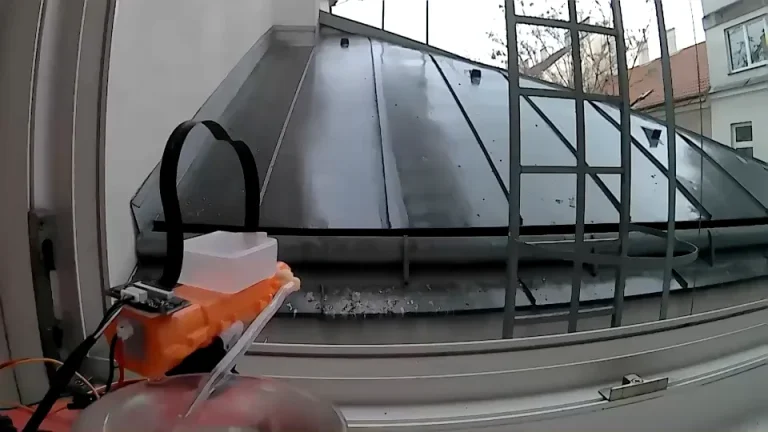
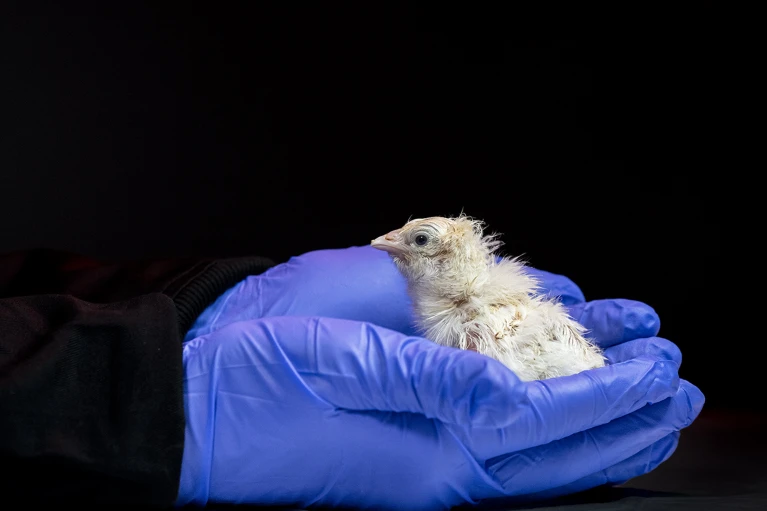
Colossal Biosciences’s artificial egg looks like a simple plastic cup, but it’s a small 3D-printed miracle that allows chicken embryos to develop into living chicks. The true innovation lies in the silicone membrane coating the inside of the lattice structure, which allows sufficient oxygen to pass through, just like that of a natural egg.
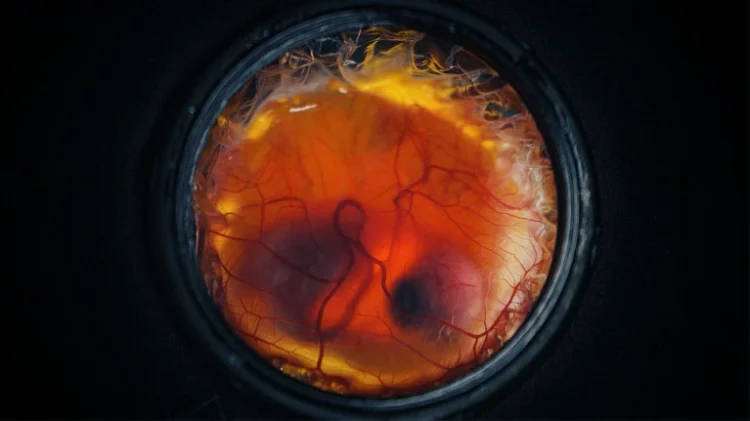
To test their artificial eggs, Colossal Biosciences carefully poured the contents of a biological egg into one of their own, leaving a small window on top so they could peek inside. The company has already used it to hatch chicks, and claims its system is “fully scalable and biologically accurate” and could be used to hatch extinct species, like the 500-pound giant moa.
Colossal Biosciences has already created a giant version of its lattice artificial egg to replace the egg of a moa bird, which could reach the size of a football, but as the MIT Technology Review explains, the company is still a long way from bringing back the moa. They still need to study the extinct bird’s DNA from old bones and make thousands of genetic changes into the genome of an existing bird, which is no small feat. This innovative artificial egg is definitely an important step towards achieving the company’s declared goal, but it’s just a step.
Interestingly, Japanese scientists successfully hatched quail chicks from artificial eggs in 1998, and others have done so with other bird species since, but their system required oxygen supplementation, which caused some chicks to suffer genetic defects or fail to hatch altogether. The membrane created by Colossal Biosciences allows enough oxygen to permeate naturally.
“It could be really important, it could be fantabulous,” Paul Mozdziak, a stem-cell biologist at North Carolina State University in Raleigh, said about the artificial egg. “Without data, it’s really impossible to judge what the true impact is.”