Dipterocarpus retusus, commonly known as hollong, is a large, sturdy tree that reaches heights of up to 60 meters. It is revered by indigenous communities around Southeast Asia and associated with myths, legends, and rituals in different cultures. Industrially, it is prized for its high-quality timber, which is used mainly in construction, furniture making, and boat-building. But few people outside of its natural habitat know about its remarkable seed dispersal technique.
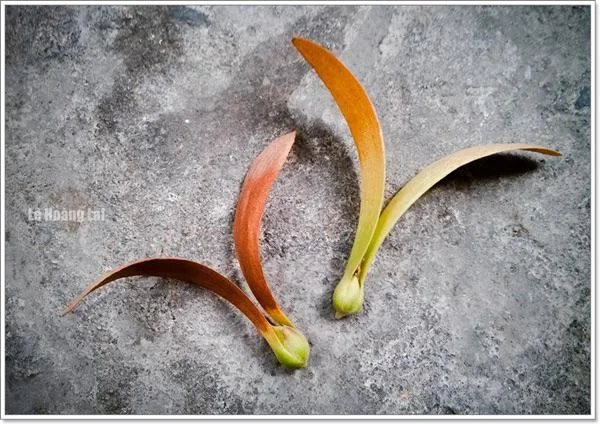
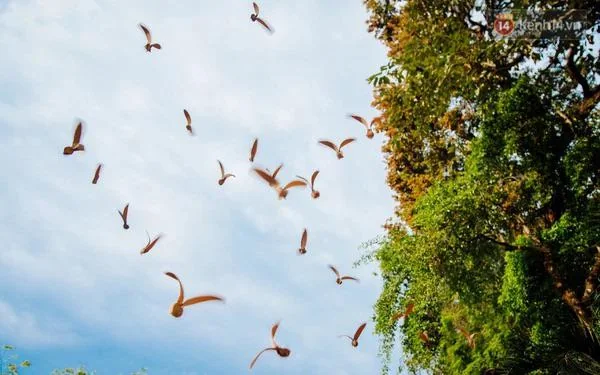
Standing under a holling tree in the summer and looking toward the sky, you’re likely to see dozens of tiny drones slowly floating towards the ground. They are actually the tree’s winged fruits, and their design is considered one of nature’s most fascinating survival mechanisms, perfected over millions of years.
The large, two-winged fruits of the hollong tree spin through the air like miniature helicopters when they fall from branches, which increases the chances of them traveling farther away from the tree and landing onto fertile soil where the seeds can grow unencumbered.
During the dry season, dozens of these natural drones gently twirling towards the ground from tens of meters create mesmerizing spectacles that have to be witnessed to be believed. A short clip of such an event recently went viral on social media, drawing attention to the fascinating survival mechanism of the hollong tree.
The Indian state of Assam is one of the best places to witness a helicopter fruit armada taking over the summer sky because of the large number of hollong trees. Interestingly, Dipterocarpus retusus is the state tree of Assam.