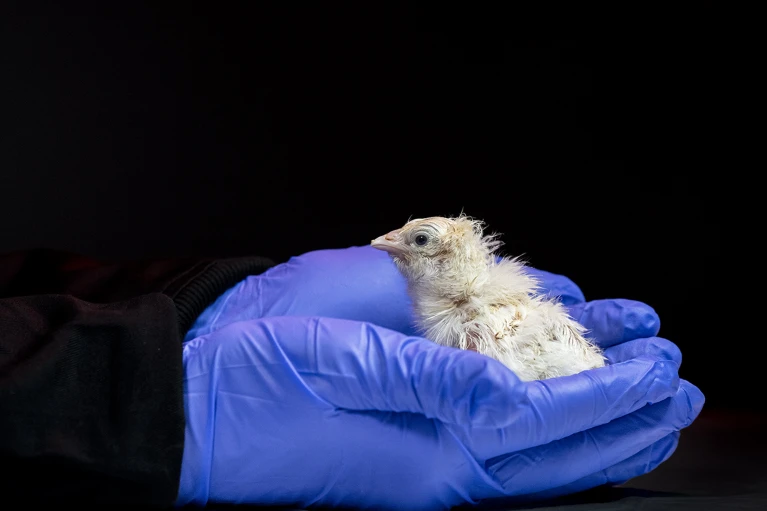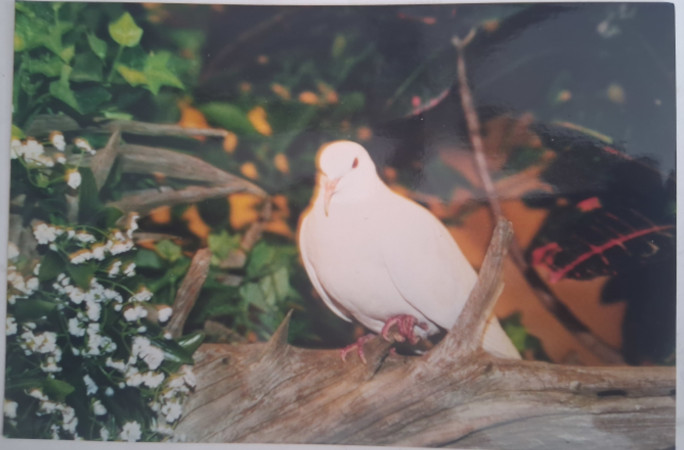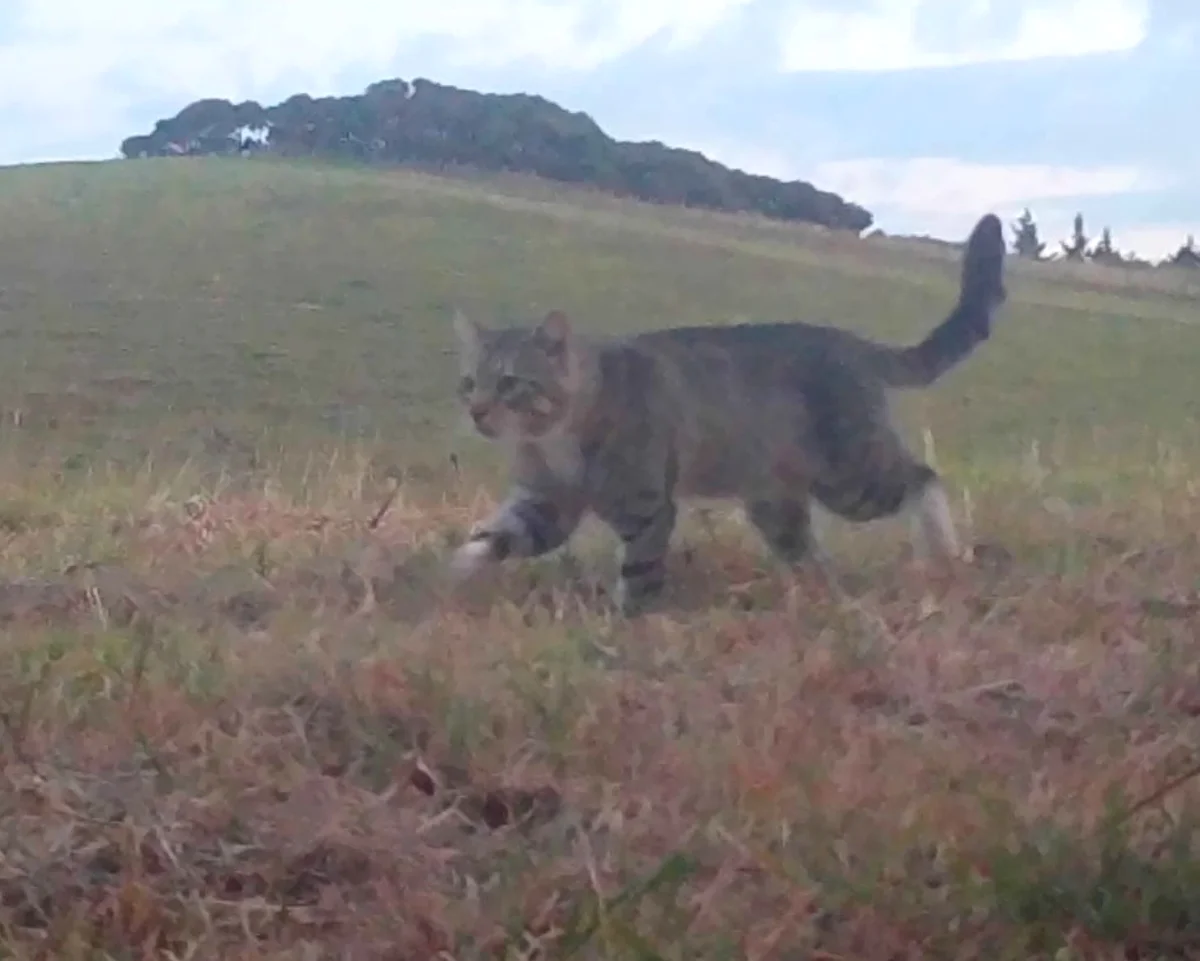
The legend of Nine Lives began three years ago, shortly after conservationists from the Pest Free Purerua project released 20 captive-bred pāteke, or brown teals, onto New Zealand’s Purerua Peninsula. After just one week, one of them was found mangled, and the death toll among the critically-endangered birds began to rise. It didn’t take long for the scientists to discover the killer – an adorable gray tabby cat with distinctive markings. However, capturing the feline was a whole other story.
Despite their best efforts to capture the cat, its behavior was so erratic that tracking it and anticipating its movements proved impossible. It was dubbed Nine Lives for its ability to avoid capture for several years, and its reign of chaos eventually became the stuff of legends among conservationists. As the death toll among pāteke – New Zealand’s rarest mainland duck – continued to rise, in 2024, scientists introduced 20 more specimens into the wild, but the feline quickly killed 15 of them.
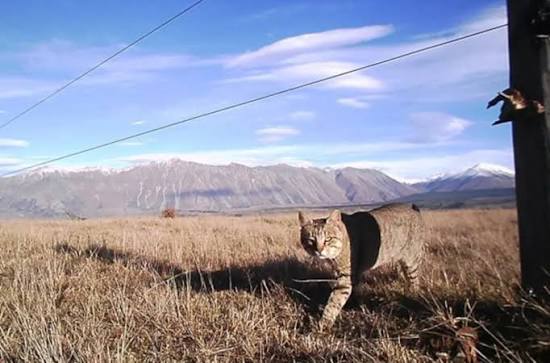
“It was a really stressful time. So we brought in more traps, gear, night cameras to try and get to the root cause of the problem,” Andy Mentor, project manager for Pest Free Purerua, told The Guardian. “This particular cat would be very erratic. It would show up in a particular place and then not show up for another two or three months. It would show up in the dusk, midnight, early morning, through the day, so it was never a predictable pattern, which made it very, very difficult to track.”
Scientists came close to cornering it on a number of occasions, but it always slipped away into tall grass, earning itself the nickname Nine Lives. Over the three years it was known to be roaming the Purerua peninsula, the proficient predator is believed to have wiped out dozens of brown teals (1% of the entire population), as well as a number of kiwi chicks, native geckos, and other native wildlife.
Nine Lives became notorious among conservationists, so when a team of them noticed that the elusive feline that had thwarted their efforts for years had visited the same spot three nights in a row, they knew it was an unmissable opportunity. They installed cages and traps, and used salmon, fried chicken, and rabbit to attract the feral cat. This time, it finally worked!
After a three-year-long hunt, Nine Lives was finally captured. But this is where the controversy begins. Instead of keeping it caged, a team of trappers “humanely shot” the cat on the spot, thus brutally ending its prolific onslaught. Conservationists celebrated its end, but cat lovers were appalled. They insisted that it could have been kept in captivity, even in a zoo where people would have paid to see the legendary scourge of Purerua wildlife.
“Why was it necessary to kill a cat that was already safe in its cage?” one person asked on social media.
“Why wasn’t it given a chance to live out its life in a zoo or an enclosure? Thousands of people would have flocked to see this legendary cat!” someone else commented.
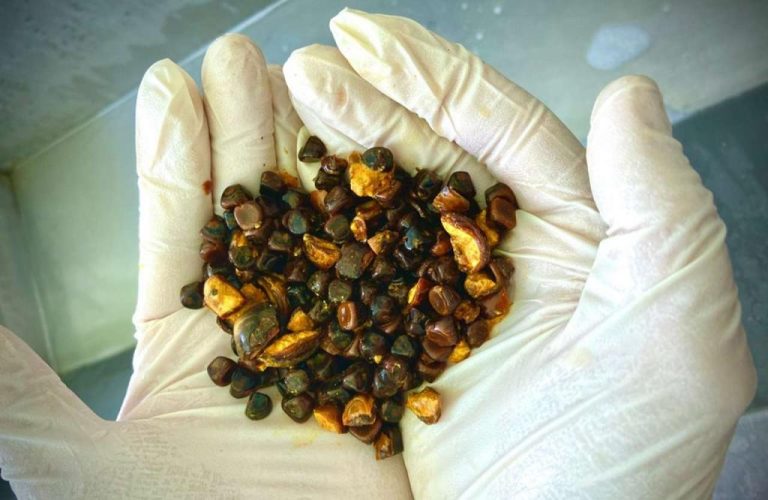
While they never admitted it, conservationists probably considered that the price of Nine Lives somehow escaping would have been too high for the helpless wildlife. The contents of its stomach will now be analyzed and the body taxidermied as befitting such a legendary tabby.