Did you know that the color of poultry egg yolks is almost completely dependent on the type of feed the chicken eats? The orange-yellow yolks you’re probably used to get their color from carotenoid-rich foods, like yellow corn, carrots, pumpkin, grass, and leafy greens, but altering the chicken’s diet can dramatically alter the color of the yolks.
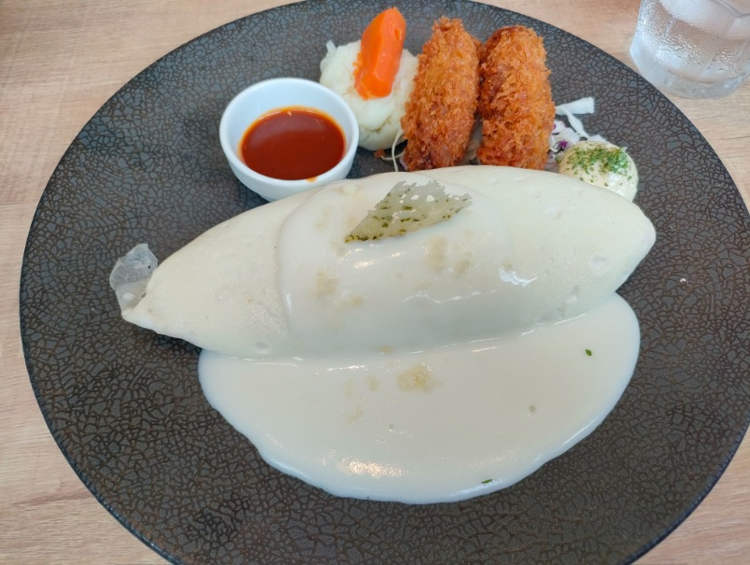
The Takeuchi poultry farm in Hokkaido, Japan, is famous for producing a brand of poultry eggs with white or very pale yellow yolks used for traditional dishes like Tamago-Kake-Gohan, Tamagoyaki, or white Omurice. To achieve this color, the farm puts its chickens on a special diet rich in rice and other foods that contain very few carotenoids.
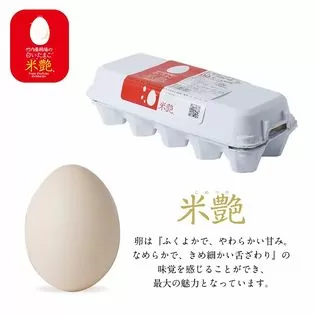
White-yolk Kometsuya®eggs are one of the most sought-after eggs in all of Japan, both for their eye-catching, immaculate whiteness, as well as their silky texture and sweet taste.
According to Salam Groovy, to produce Kometsuya eggs, the Takeuchi farm feeds its poultry a diet that consists of 68% rice grown in Hokkaido, 15% fish caught in Hokkaido’s ocean, 8.8% raw rice bran, 8.0% scallop shells from Lake Saroma, Hokkaido, 0.2% salt, vitamins, lactic acid bacteria, and other beneficial bacteria.
Like the many other egg brands produced and commercialized in Japan, Kometsuya adheres to the country’s very high nutritional and safety standards. Despite their colorless look, these white-yolk eggs allegedly have the same or at least comparable nutritional values as orange yolk eggs, although many people online dispute that claim.
Although primarily sold in Japan, Kometsuya eggs are reportedly also exported to other parts of Asia, such as mainland China, Taiwan or Hong Kong.
For more unusual eggs, check out these green yolk eggs produced on a farm in India.