Two rubber bands were small enough to start a hobby. Eleven years later, the growing ball had outgrown a garage and moved into a storage container of its own. When it was finally ready for an official weigh-in, lifting it meant bringing in a crane.
The builder, Claude P. Moore of Detroit, began the record attempt in 2015. Guinness World Records now lists his creation as the largest rubber band ball, weighing 5,251.69 kg, or 11,578 lb.
A small ball became a project with its own room
Moore had made rubber band balls before this one. His coworkers encouraged him to try a much larger version, and he began wondering whether he could build the biggest in the world.
The attempt started with just two bands. As he kept adding more, the place where he could work on it became part of the problem.
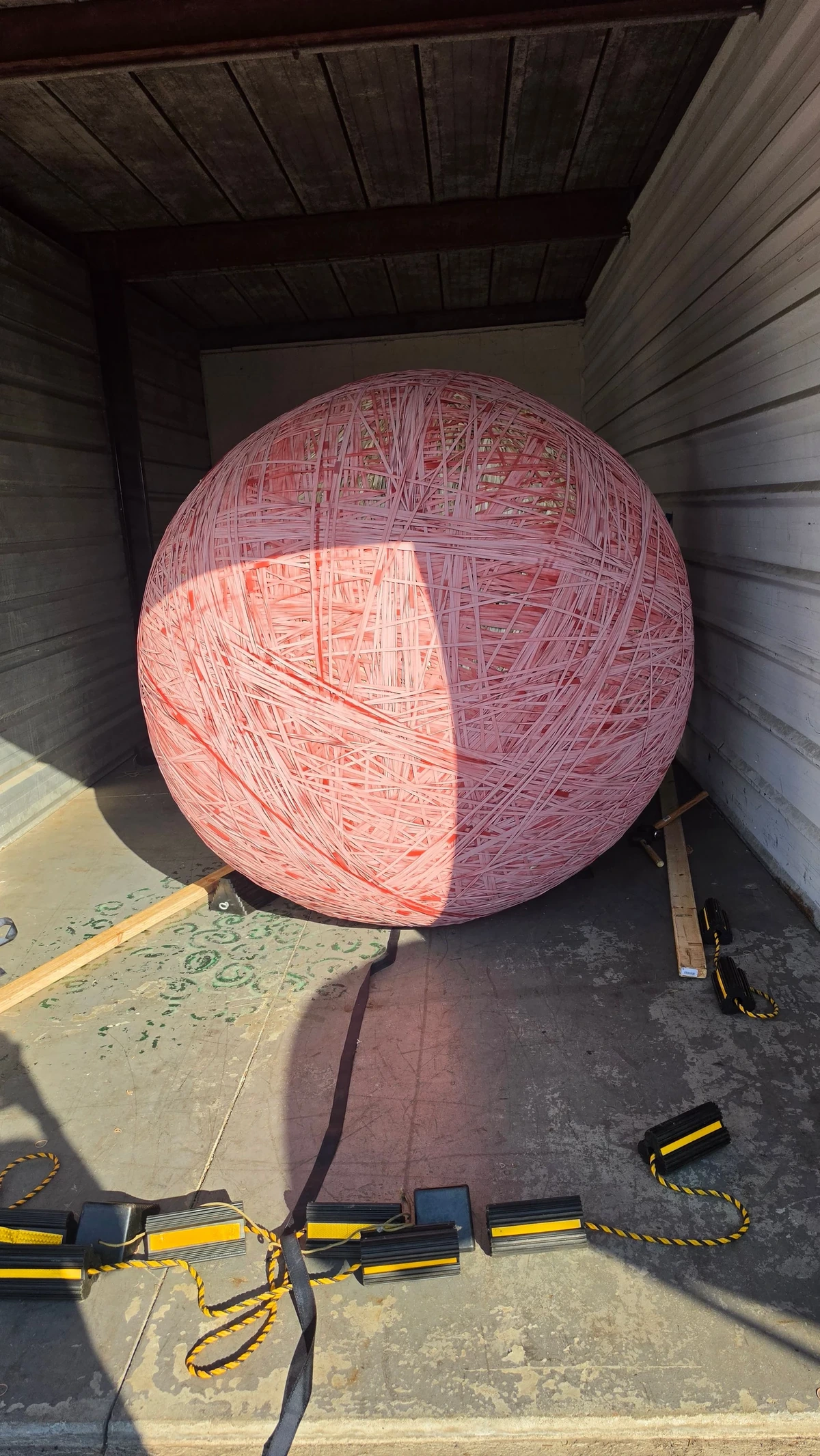
Eventually, the ball moved from his garage into a dedicated storage container. Even there, it grew so large that it almost touched the walls. What began as a small object to work on had become something that dictated its own surroundings.
It was also a shared undertaking. Family and friends helped along the way, supporting a project that Guinness describes as 11 years of work. Moore was the record challenger, but he did not build the enormous ball entirely on his own.
The final measurement needed a crane
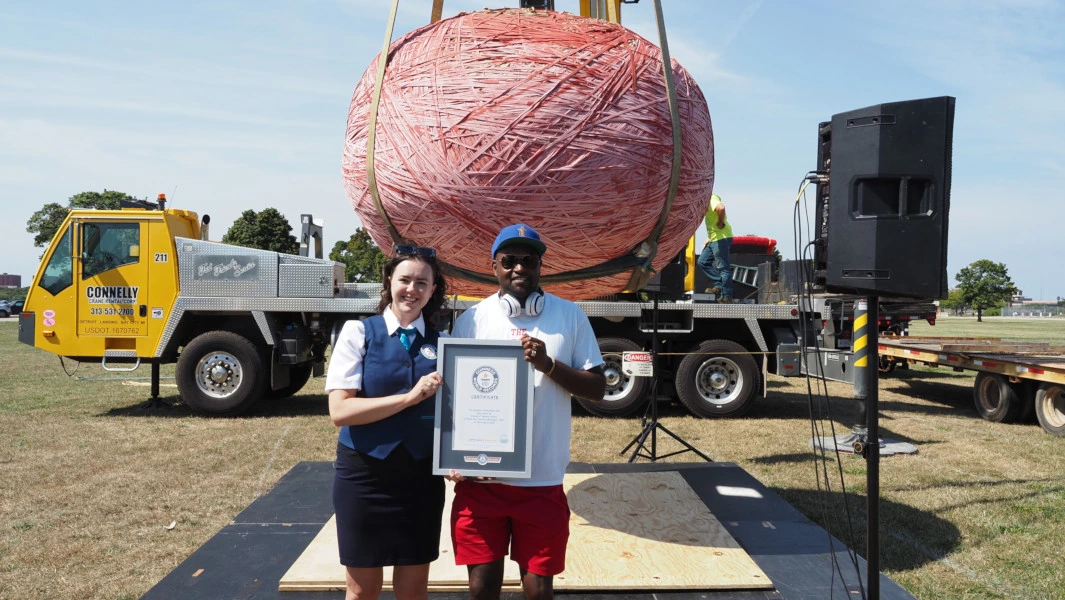
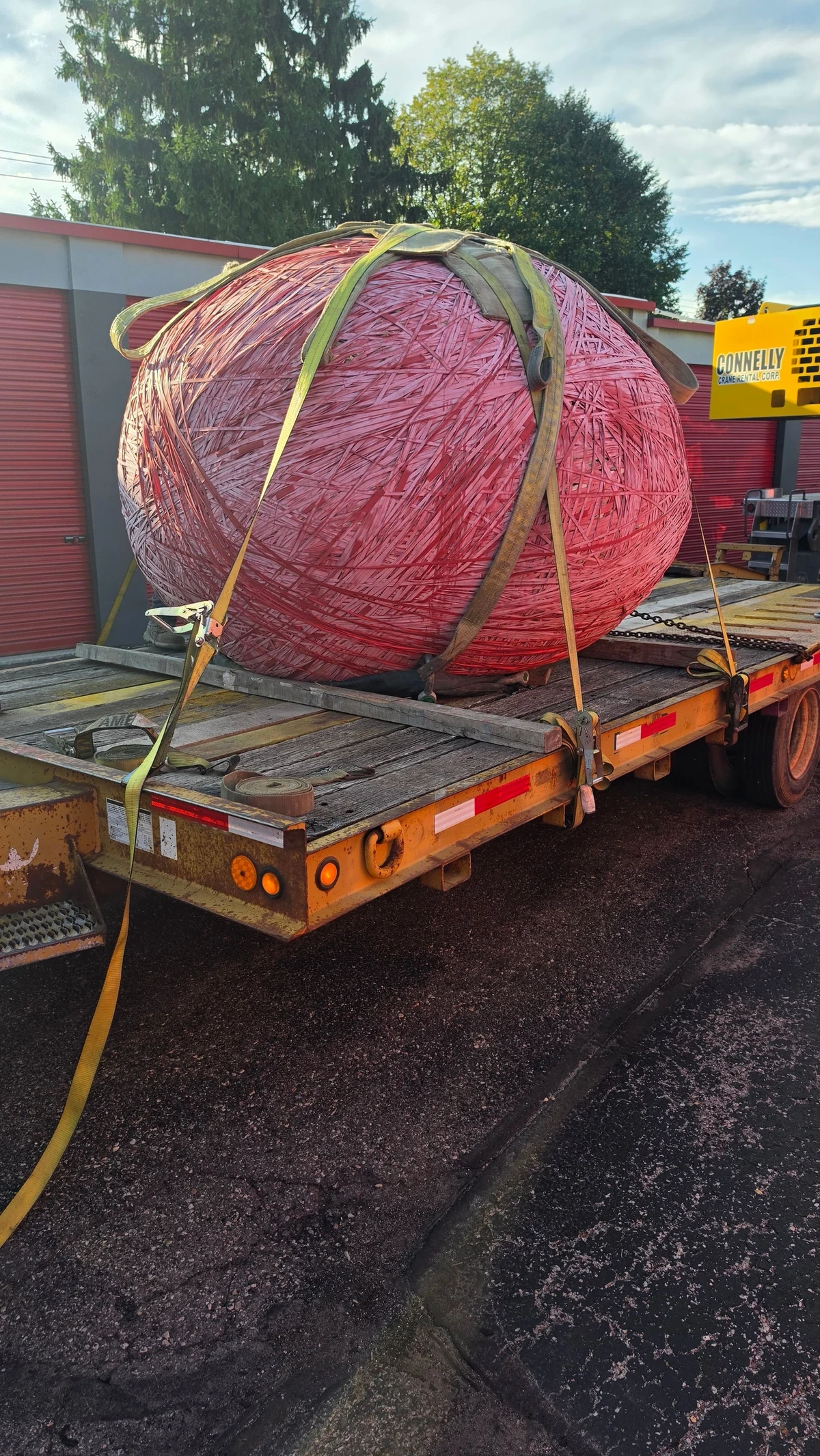
The official weighing took place at Belle Isle in Detroit, Michigan, on August 29, 2026. A team helped move the ball out of its container, and a crane lifted it for the measurement.
Guinness adjudicator Chloe McCarthy attended to check that the record guidelines were followed. The confirmed weight was more than 5.25 metric tons.
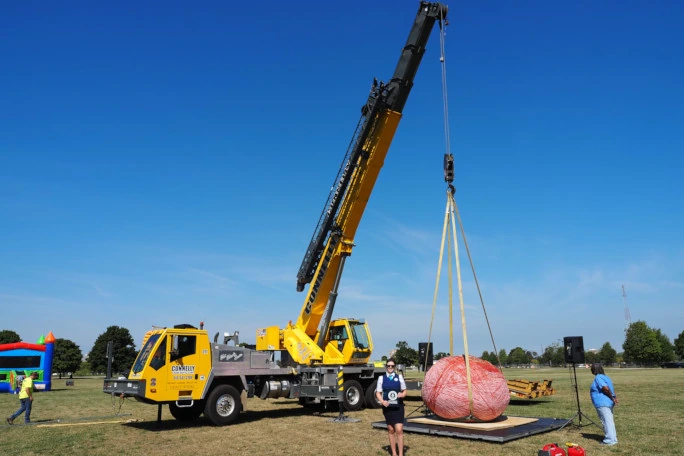
That exceeded the previous record of 4,097 kg, set by Joel Waul in Florida in 2008. Moore’s ball was more than a metric ton heavier.
Eleven years, one band after another
Guinness published its account of the achievement on November 3, after the August record event. Its record listing identifies Moore as the holder and gives the Belle Isle measurement as the official result.
The scale of the finished ball is the striking part, but the change in workspace tells the story just as clearly: first a garage, then a container, then a crane for the weigh-in. The two bands that began the project had become an object weighing over five tons.